
If sex feels more like slamming into a brick wall than anything remotely sexy, you’re not imagining it. That “hitting a wall” sensation, the burning, the tightness, the way your body seems to shut the door even when your brain’s saying come on, is a condition called vaginismus. And it’s definitely not something you just have to live with.
Vaginismus is a real medical condition that affects vaginal muscles. The condition causes the muscles to clamp down involuntarily. This can happen at the attempt of penetration, or even at the very thought of it. Basically, your body pulls the emergency brake while your brain still presses the gas.
-
Vaginismus shows up in two different ways:
-
Primary vaginismus: Penetration has never been possible without pain.
Secondary vaginismus: Penetration was once possible but has since become painful, often linked to trauma, childbirth, menopause, or other physical changes.
If you’re Googling “how to cure vaginismus” right now, don’t stress…we’ve got real answers that can help. The good news? With the right support, therapy, and a little patience, vaginismus doesn’t have to ruin your sex life. In this guide, we’ll explain what causes it, how to spot it, and, most importantly, the remedies that actually work.
What Causes Vaginismus?
There isn’t one single cause of vaginismus. It usually comes from a messy mix of physical triggers, emotional responses, and neurological conditioning. In other words, your body, brain, and past experiences can all team up…sometimes without you even realizing it, to create the cycle of pain and tension.
Psychological Triggers
Your mind and body are wired together, so fear, anxiety, or trauma can easily show up as muscle tension. Some of the most common psychological contributors include:
-
Past sexual trauma or abuse: Trauma leaves a strong imprint on the nervous system. Even years later, the body may react with pain or tightening as a protective reflex.
-
Fear of pain, tearing, or bleeding: If you’ve had painful penetration before, your brain might “brace” for it again, tensing your muscles before anything happens.
-
Anxiety or panic disorders: Generalized anxiety can heighten body awareness and muscle tension, especially around something as intimate as sex.
-
Religious or cultural shame: Growing up with strict ideas about purity, sin, or modesty can make sexual activity feel dangerous, dirty, or guilt-ridden—leading the body to resist it.
Negative first experiences: If your first attempt at penetration was painful, rushed, or scary, your body may “remember” it and keep reacting the same way in the future.
Physical Triggers
Sometimes vaginismus develops as the body’s response to ongoing or past physical issues:
-
Chronic infections (yeast, BV, UTIs): Recurring pain from infections can train the body to anticipate discomfort every time something enters the vagina.
-
Hormonal shifts: Menopause, postpartum recovery, or certain birth controls can thin or dry out vaginal tissue, making penetration painful and triggering muscle tension.
-
Vulvodynia: Chronic vulvar pain conditions often overlap with vaginismus, amplifying the cycle of discomfort.
-
Vaginal dryness: Stress, medications (like antidepressants or antihistamines), or breastfeeding can reduce natural lubrication, leading to friction, pain, and clenching.
-
Pelvic injury or surgery: Trauma from childbirth, episiotomies, C-sections, or even abdominal/pelvic surgeries can cause lingering sensitivity and protective tightening.
-
Sedentary lifestyle: Believe it or not, sitting for long periods (especially with poor posture) can over-engage pelvic floor muscles, priming them to spasm.
Neurological / Muscle Memory
Things get sneaky here: even if the original trigger goes away, the body can hold onto the pattern. Over time, your brain starts predicting pain before anything even happens. Just the thought of penetration, or the sight of a tampon, can signal your pelvic muscles to contract. This protective reflex becomes automatic, like a form of “muscle memory gone rogue.” The result is a feedback loop:
Anticipate pain → Muscles tighten → Penetration hurts → Brain logs it as “dangerous” → Muscles tighten even more next time
Breaking that cycle takes intentional retraining, both physically (through therapy, relaxation, and dilators) and mentally (through addressing fear, trauma, or anxiety).
Vaginismus Remedy: What Actually Works
As we just saw, vaginismus is complex: it’s part physical, part mental, and sometimes even muscle memory. That’s why quick fixes, random internet hacks, or the classic “just relax” from a dismissive doctor rarely deliver painful sex relief. So, what does work? Well, methods that target both the body and the mind. This approach will break the pain-tension cycle and retrain your muscles and nervous system to respond differently.
Some vaginismus remedies include:
Pelvic Floor Physical Therapy (PFPT)
The gold-standard treatment. Pelvic floor physical therapists focus on the very muscles that tense up during vaginismus. Think of it as rehab for your pelvic floor. It helps retrain vaginal muscles to relax, respond, and move the way they’re meant to. Here’s what therapy often involves:
-
Breathing and posture exercises
-
Trigger-point massage and release
-
Learning how to relax muscles you didn’t know you had
-
Gradual exposure to desensitize penetration fears
Pro tip: When using pelvic floor therapy for vaginismus, don’t just book any therapy session or pick up any toy that has a pelvic floor focus. Search for ones specifically trained in pelvic health, dyspareunia (painful sex), or vaginismus.
Vaginal Dilator Therapy
Yes, they look intimidating. But dilators are one of the most effective at-home tools for overcoming vaginismus. They work by gradually teaching your muscles that penetration isn’t a threat. Although the dilator feels like a simple “stretching” process, it's more than that. It's more about retraining your body.
Tips for success:
-
Warm up with breathing or a gentle external massage
-
Use lots (seriously, lots) of lube
-
Start small, move up sizes slowly
-
Celebrate progress, even if it’s just one step up
Cognitive Behavioral Therapy (CBT)
Your brain isn’t just along for the ride…it’s often the one steering the wheel. Vaginismus doesn’t only live in your muscles; it also lives in the stories, fears, and expectations your mind has built around sex and pain. That’s why working on your thoughts can be just as critical as working on your body. CBT is one of the most effective therapies for breaking the cycle of fear and tension. It helps you recognize the mental triggers that cause your body to lock up and gives you tools to respond differently. Over time, you retrain not just your muscles but also your brain’s default settings around intimacy and penetration.
Here’s what CBT usually focuses on:
-
Practice graded exposure to intimacy Identifying unhelpful beliefs (“sex = pain”)
-
Work through trauma if that’s part of your story
-
Replace them with realistic, less threatening ones
Other therapy options like EMDR (Eye Movement Desensitization and Reprocessing) or somatic experiencing can also make a huge difference, especially when trauma is stored not just in your memories but in your body itself. These approaches focus on releasing physical tension, rewiring fear responses, and helping the nervous system feel safe again, so your body doesn’t keep bracing for pain even when you want it to relax.
Botox Injections
For stubborn cases where nothing else seems to work, Botox can step in as the “big guns.” Temporarily paralyzing the overactive pelvic floor muscles, it forces them to chill out and stop clamping down. Think of it like hitting the mute button on muscles that just won’t shut up. But remember, Botox isn’t some magic cure-all. You won’t walk out of the doctor’s office and suddenly star in your own rom-com sex montage. But what it does do is create a window of opportunity.
With the muscles relaxed, therapy and dilator work often become way easier, and your body can finally start relearning that penetration doesn’t have to equal pain. Most specialists use Botox as a reset button, a kickstart to the healing process rather than a long-term solo solution. Pair it with therapy, patience, and practice, and it can finally tip the balance in your favor.
-
Pros: High success rates in resistant cases, minimal downtime
-
Cons: Costly (~$1,000–$2,500), temporary, requires a specialist
Lubrication: Non-Negotiable
If vaginismus is already making things tense, dryness is like throwing gasoline on the fire. Good lube isn’t just a nice-to-have, in this case, it's like therapy in a bottle. The right kind reduces friction, calms irritation, and signals to your body that penetration doesn’t have to hurt. Types to try:
-
Water-based: Lightweight, versatile, and safe with both condoms and toys.
-
Aloe-based: Soothing, natural, and gentle on sensitive tissue.
-
Oil-based: Rich and long-lasting, perfect for solo practice (just avoid with latex condoms).
What to avoid: anything labeled “warming,” “tingling,” or “cooling.” Those gimmicks are basically pain in disguise, dressed up as pleasure.
Sexual Reeducation & Partner Communication
Part of healing vaginismus is unlearning the idea that “sex = penetration.” because honestly…it doesn’t. Real intimacy is about connection, pleasure, and comfort, not whether something goes in. When you take that pressure off, your body and mind both have space to relax and actually enjoy the moment.
For many people, healing means rewriting the rules of sex altogether. That could mean exploring new kinds of touch, finding joy in outer stimulation, or building trust with your partner through slower, more honest communication. The point isn’t to “work around” vaginismus forever, it’s to remind yourself (and your partner) that sex is bigger, richer, and way more playful than one single act.
Here are some ways to reframe intimacy:
-
Be radically honest with your partner
-
Explore clitoral and outer stimulation
-
Normalize pleasure that doesn’t involve penetration
-
Take pressure off “performance” and focus on comfort
Can You Really Cure Vaginismus?
Yes, most people do overcome vaginismus. But it’s not a “one-week challenge” or an overnight glow-up. Think marathon, not sprint. Healing takes time, patience, and a willingness to try a mix of approaches until your body and brain start working together again. The strongest outcomes usually come from a combo strategy:
-
Pelvic floor therapy + dilators → this duo retrains your muscles and desensitizes your body to penetration.
-
Add CBT or trauma-focused therapy → to untangle the fear loops and mental roadblocks that fuel the physical reaction.
-
Stay consistent → regular practice, even just a few minutes a day, adds up. Progress is measured in steady steps, not giant leaps.
And remember: small wins matter. Maybe you can insert a smaller dilator without pain, or tolerate a routine exam tool for the first time. Those aren’t “baby steps”—they’re milestones your body is learning to trust again. Stack enough of those together, and full recovery becomes not just possible, but probable. Healing vaginismus isn’t just about removing pain—it’s about reclaiming pleasure, confidence, and intimacy on your own terms.
ToyChats Tip: Healing With Sex Toys
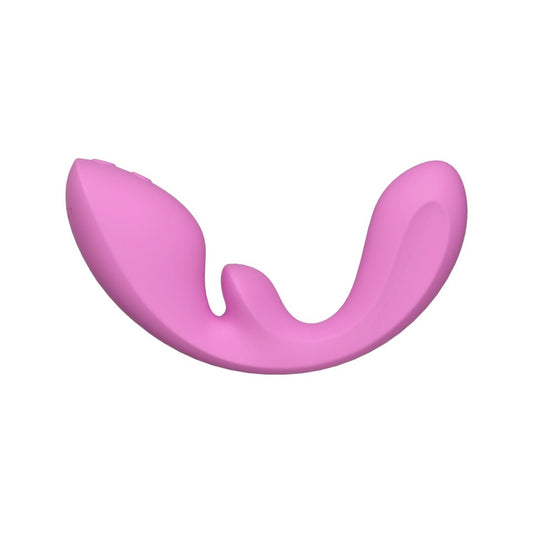
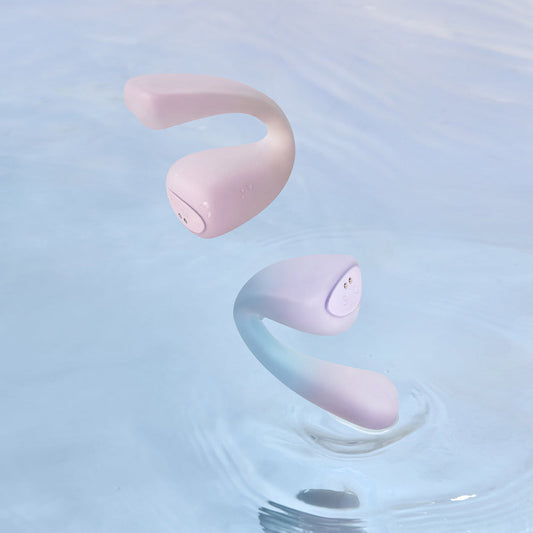
Sex toys aren’t just for fun, they can be part of your recovery toolkit. The key is picking the right ones.
Good starting points:
✅ Slim, flexible dilators
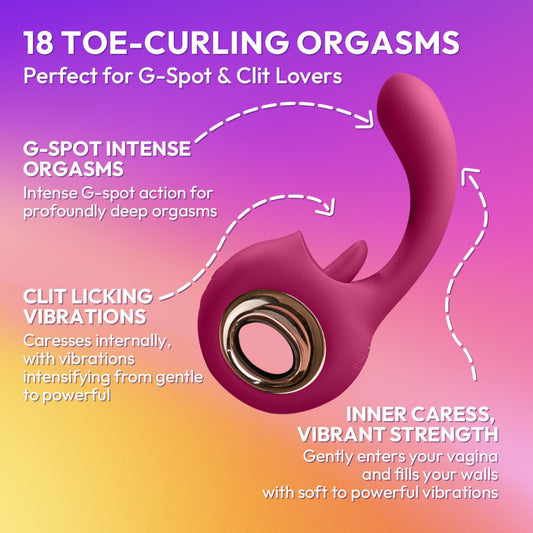
✅ Small vibrators with gentle settings
✅ External wands for pelvic relaxation
✅ Suction toys for non-penetrative pleasure
Skip for now:
❌ Oversized or rigid toys
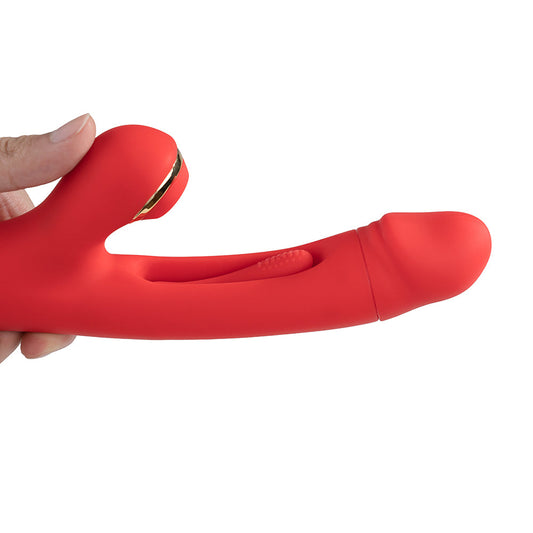
❌ Rabbits with bulky internal arms
❌ Anything that feels like pressure instead of play
The goal is trust, not tolerance. Vaginismus isn’t the end of your sex life…it’s just a detour. With patience and the right tools, you can go from “ouch” to “oh yes.”